

ILTER 4th OSM 2027
International Long Term Ecological Research Network
March 8-12, 2027
San Carlos de Bariloche, Patagonia Argentina
HOSTED BY







ILTER2027
The International Long Term Ecological Research Network 4th Open Science Meeting to be held in Bariloche, Argentina, March 8-12, 2027
San Carlos de Bariloche
Information
How to get there
Nahuel Huapi National Park
Gastronomy
Outdoor Activities
The event venue
ILTER2027
Announcement
The ILTER OSM is an international academic conference and held every three years. It is the gathering of the global Long-Term-Ecosystem-Research community and interested representatives of other fields. For latest information, please visit the events section on the ILTER website.
The theme for the ILTER 4th OSM 2027 is “Unity in Diversity: Celebrating Long-term Resilience Across Connected Ecosystems and People”. The aim is to elevate the America Ecological Network; Promote the Science of Ecology in South American region; Improve ILTER representativeness in the Americas and in the Global South; Strengthen the ILTER globally distributed network.
There will be a range of special sessions, and well-known guest speakers. The meeting will encompass academic sessions and workshops, plenary lectures, social events and field trips. Do not miss this opportunity to exchange knowledge and network with the global LTER community and further interested researchers and stakeholders.
We look forward to meeting with you in Bariloche in March!
The ILTER OSM Organizing Committee
Speakers
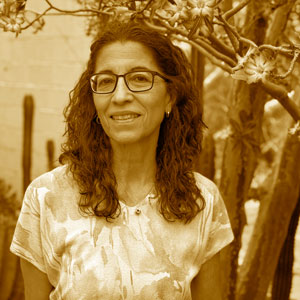
Dr. Angelina Martínez-Yrízar
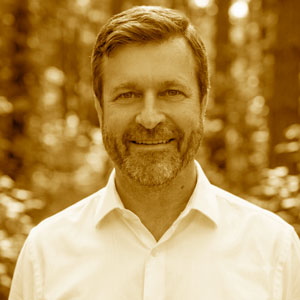
Marcelo Sternberg
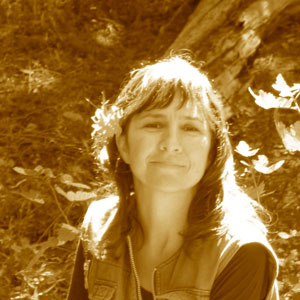
Carolina Morales

Nancy B. Grimm
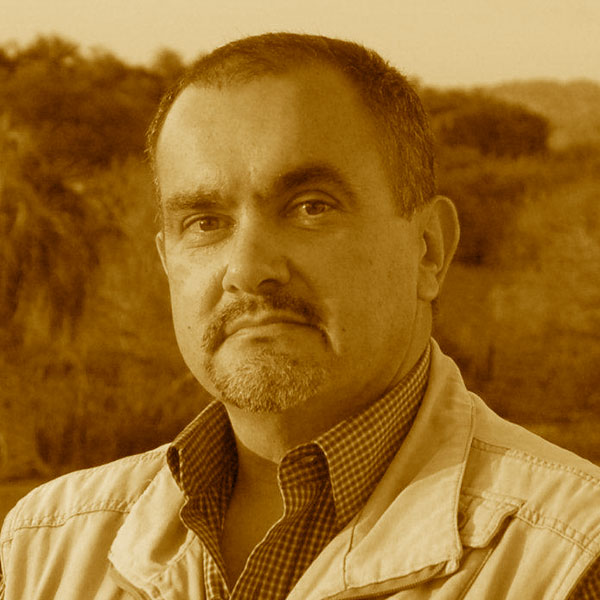
Alberto Yanosky

Luisa Maria Diele-Viegas
Suggested Proposal Themes
Call for Proposals ILTER Open Science Meeting
Biogeochemical dynamics and ecosystem functioning
How chemical, biological, and physical processes interact over decadal to millennial scales to drive ecosystem functioning and govern ecosystem processes. Topics may include coupled elemental cycles, plant-soil-microbe interactions, ecosystem productivity, and biodiversity-ecosystem functioning. Long-term trends and non-linear shifts, and multi-scale or multi-ecosystem coupling and interactions are of particular interest.
Biodiversity and biological invasions
Biodiversity trends and patterns related to ecosystem resilience, climate regulation, and human survival. Long-term studies that explore adaptation to environmental change related to biodiversity and biodiversity management. Long-term studies on the drivers and impacts of biological invasions as one of the five primary drivers of global biodiversity loss are of particular interest.
Climate change, extremes and resilience
How ILTER science can inform resilience to climate change and extreme events and impacts of global change – how ecosystems and human communities to respond to and recover following disturbances such as temperature, drought, extreme storms, and flooding. This may include using historical data to understand past patterns and forecast future conditions; using modern methods to recreate historic conditions and transitions; and documenting shifting baselines and predicting future trends.
Sustainability at the intersections of the Food-Energy-Water Nexus
Long-term studies that leverage holistic thinking to balance trade-offs and maximize synergies across multiple sectors for sustainable resource management. Of particular interest are papers that support monitoring and explore trajectories of environmental sustainability as part of the energy transition.
Technology advances across ILTER: Methodological innovations, Data, and Research Infrastructures
Advances in physical, biogeochemical, and ecological monitoring and modeling and their applications to investigate diverse topics in long-term research. How interoperable data and research infrastructures advance global long-term science. Includes how management, analysis, and synthesis of historical or modern datasets (e.g., continuous monitoring, remote sensing, gene sequences and bioinformatics) in an open environment glean new information, including quantitative description of status and function and development of predictive models and tools.
Technology advances across ILTER: Methodological innovations, Data, and Research Infrastructures
Advances in physical, biogeochemical, and ecological monitoring and modeling and their applications to investigate diverse topics in long-term research. How interoperable data and research infrastructures advance global long-term science. Includes how management, analysis, and synthesis of historical or modern datasets (e.g., continuous monitoring, remote sensing, gene sequences and bioinformatics) in an open environment glean new information, including quantitative description of status and function and development of predictive models and tools.
Urban ecology
Long-term studies of how plants, animals, and humans interact within city environments and how integrating these natural systems into urban planning provides essential benefits—such as reducing urban heat, mitigating floods, cleaning the air, and improving the mental and physical health of city dwellers.
Ecosystem services
Research on benefits people derive from ecosystems, especially through a long-term lens, in any ecosystem type.
Working Lands - Rangelands, agricultural ecology and agroecological practices
Of particular interest are multi-decade experiments that explore how managed livestock grazing and agroecological practices can promote biodiversity, build soil health, and mitigate climate change, while maintaining rural economic viability.
Ecosystem conservation and restoration
Long-term research to decrease physical, chemical, and/or biological stressors to conserve and restore ecosystems, and increase the resilience of ecosystems to climate change and other anthropogenic impacts.
Environmental justice and equity in long-term ecological research
Research on the unequal distribution of environmental burdens, benefits, and decision-making power, and on how to advance more equitable outcomes. Topics may include studies of exposure and access disparities, legacies of historical land use and policy, community-engaged and co-produced research, and the distributive, procedural, and recognitional dimensions of environmental justice.
Socio-ecological long-term research including participatory and transdisciplinary research
Studies that combine the rigorous tracking of environmental data with the study of human systems over decades. Science that supports actionable frameworks, enabling scientists, local communities, and policymakers to co-design and co-create sustainable solutions.